Hard Water Spots and Stains on New Countertops
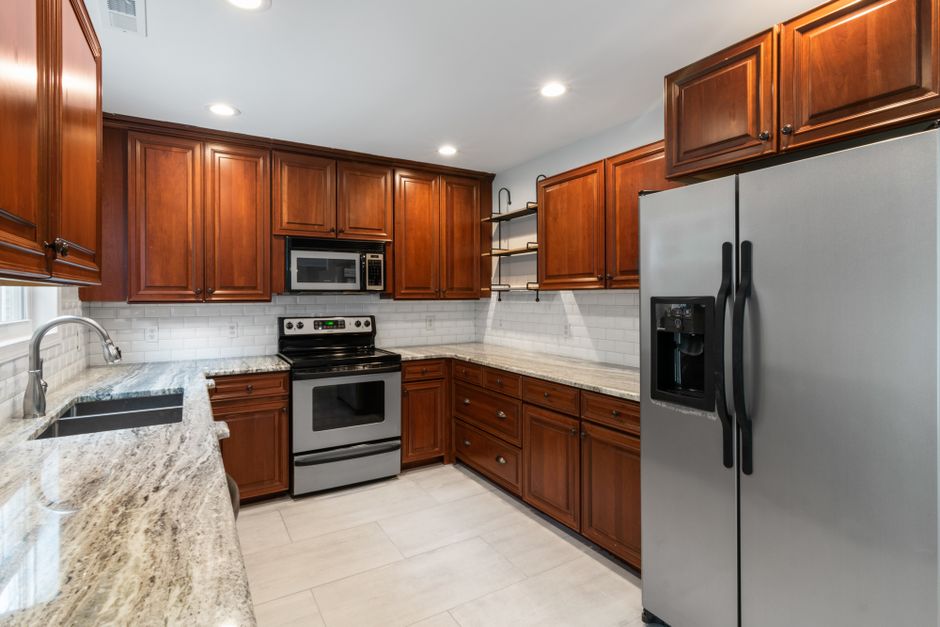
12 inch overhang on a quartz slab adds roughly three pounds per square foot. the logs at kitchen countertop installation riverside say better things show that hard water leaves deposits mostly made of calcium and magnesium minerals when water dries on a surface, often around the faucet base and sink edge, and that acidic cleaners like vinegar dissolve mineral deposits but also etch marble limestone and travertine which are made largely of calcium carbonate, while a worktop made of granite resists absorption better than marble, and the mission inn area sees similar patterns, and daily wiping prevents most buildup before it hardens.
Mineral buildup
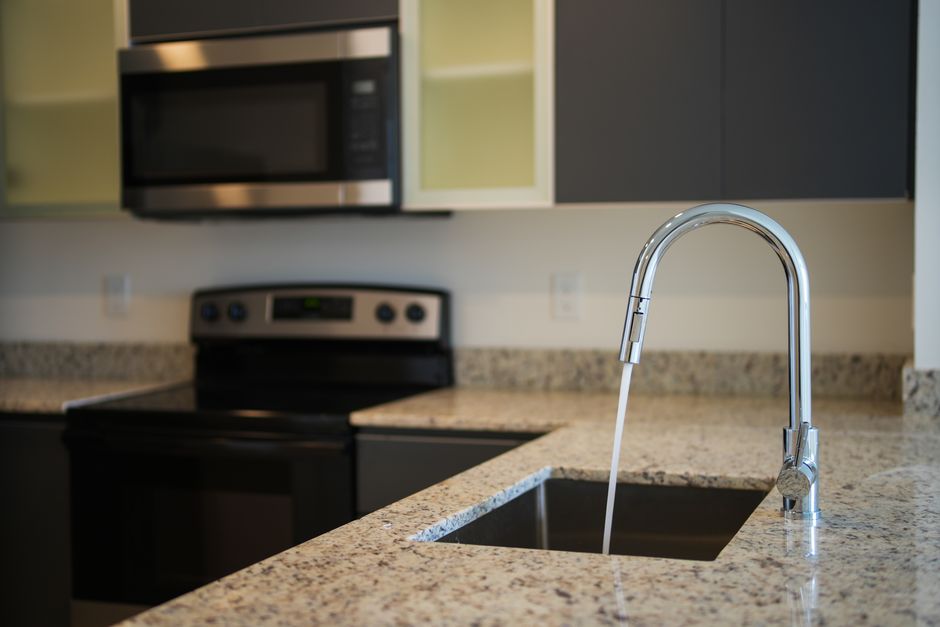
Mineral buildup on a laminate surface appears as a white film that hardens quickly if water is not wiped dry, and the seam where the countertop meets the backsplash can trap moisture that accelerates the deposit formation, so a quick wipe after each use keeps the film from bonding to the substrate, the wipe also removes soap residue that can combine with minerals.
Acidic cleaner risk
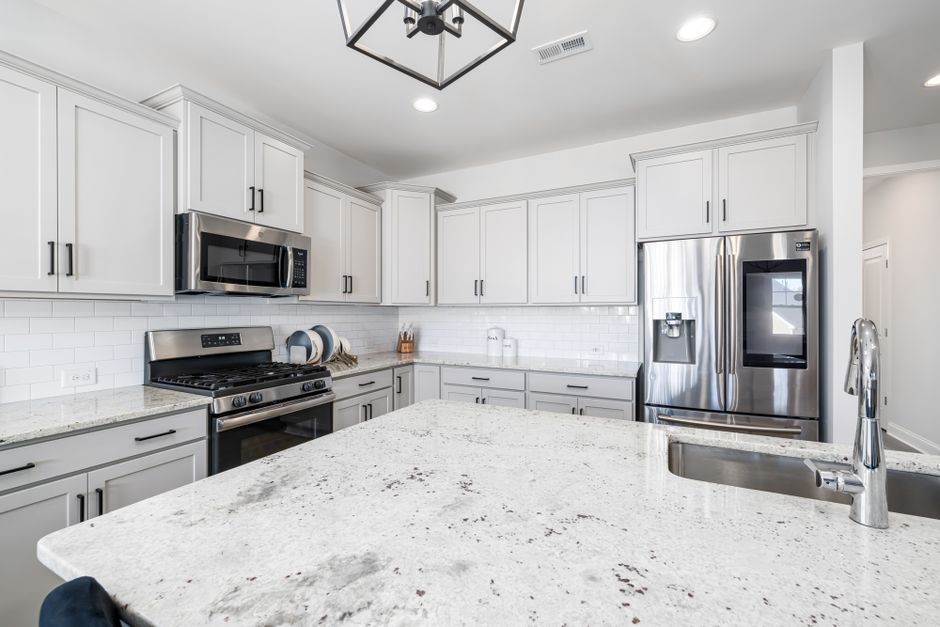
Acidic cleaner risk rises on marble and travertine because the acid reacts with calcium carbonate, dulling the edge profile and leaving a permanent etch that cannot be polished out, and the same reaction occurs on limestone where the surface loses its gloss within minutes of contact, the etch appears as a dull spot that reflects light differently.
Sealed stone care
Sealed stone care relies on a pH neutral cleaner made for stone, applied with a soft cloth, because harsh chemicals and abrasive pads can dull the surface finish of quartz and also degrade the sealer on granite, so the routine stays simple and effective, the sealer should be reapplied annually to maintain protection.
Quartz surface durability
Quartz surface durability is high for absorption resistance, but harsh chemicals and abrasive pads can dull its surface finish, so a pH neutral cleaner made for stone is the usual daily choice for sealed natural stone, and the material holds up well under normal kitchen traffic, the slab tolerates heat up to 300 degrees Fahrenheit without damage.
Sink joint sealing
Sink joint sealing prevents water pooling at a poorly sealed sink joint from seeping under laminate and swelling the core, so the joint must be inspected and resealed after each heavy use period, and a silicone bead rated for continuous moisture exposure provides the most reliable barrier, the bead should be tooled smooth to avoid voids that collect water.